
Pain & Urgent Dental Problems
Teeth Sensitivity
Tooth sensitivity, also called dentin hypersensitivity, happens when enamel wears down or tooth roots become exposed, allowing cold, hot, sweet, or acidic triggers to reach the inner nerve of the tooth.

Best For
- Sharp pain while eating ice cream or drinking cold water
- Discomfort with hot beverages, sweets, or citrus foods
- Sensitivity while brushing or flossing
- Short triggered pain that is not continuous unless the case is severe
- Occasional or constant mild tooth ache
Procedure
- Dentist examines teeth and gums for enamel wear, gum recession, cavities, cracks, or chipped teeth.
- Sensitivity tests with cold air or water may be performed.
- X-rays may be advised if a deeper issue is suspected.
- Treatment is selected based on the cause and severity of sensitivity.
Benefits
- Reduces sharp triggered sensitivity
- Strengthens enamel with fluoride care
- Protects exposed dentin or root surfaces
- Helps detect cavities, cracks, or nerve damage early
Notes
- Sensitivity treatment may involve home-care products, in-clinic protective treatments, or advanced dental care depending on the cause.
Causes of Tooth Sensitivity
- Enamel erosion from acidic foods, fizzy drinks, or aggressive brushing.
- Gum recession that exposes sensitive tooth roots.
- Tooth decay or cavities exposing inner tooth layers.
- Teeth grinding or bruxism that wears enamel over time.
- Cracked or chipped teeth that open pathways to nerve endings.
- Recent dental treatments such as cleaning, whitening, or fillings can cause temporary sensitivity.
Treatment Options
- Desensitizing toothpaste: first line of treatment that blocks nerve signals over time and needs consistent use for 2 to 4 weeks.
- Fluoride treatment: strengthens enamel and can significantly reduce sensitivity.
- Dental bonding: covers exposed dentin or root surfaces.
- Gum treatment for recession: gum grafting may be needed in advanced cases.
- Root canal treatment: required if sensitivity is due to nerve damage or deep decay.
Duration of Treatment
- Mild cases may improve within 2 to 3 weeks.
- Moderate cases may need 1 to 2 dental visits.
- Severe cases such as RCT or gum grafting may need multiple sittings.
Prevention Tips
- Use a soft-bristled toothbrush.
- Avoid excessive acidic foods and drinks.
- Do not brush aggressively.
- Use fluoride toothpaste regularly.
- Wear a night guard if you grind your teeth.
Cost & Comparison Tables
| Treatment | India range |
|---|---|
| Desensitizing toothpaste | Rs. 150 - Rs. 400 |
| Fluoride application | Rs. 500 - Rs. 1,500 |
| Dental bonding | Rs. 1,500 - Rs. 5,000 per tooth |
| Root canal | Rs. 3,000 - Rs. 10,000 per tooth |
FAQs
Is tooth sensitivity permanent?
No. In most cases it is treatable and reversible with proper care.
When should I see a dentist?
See a dentist if sensitivity lasts more than 2 weeks or becomes severe.
Can sensitivity turn into something serious?
Yes. It may indicate cavities or nerve damage if ignored.
Related Treatments
Related Treatments Explore more in Pain & Urgent Dental Problems

Tooth Pain / Swelling
Urgent dental care for toothache, facial swelling, abscess, gum infection, wisdom tooth pain, or dental injury.

Root Canal Treatment
Treatment to save a severely infected or decayed tooth by removing infected pulp, cleaning the canals, and sealing the tooth.
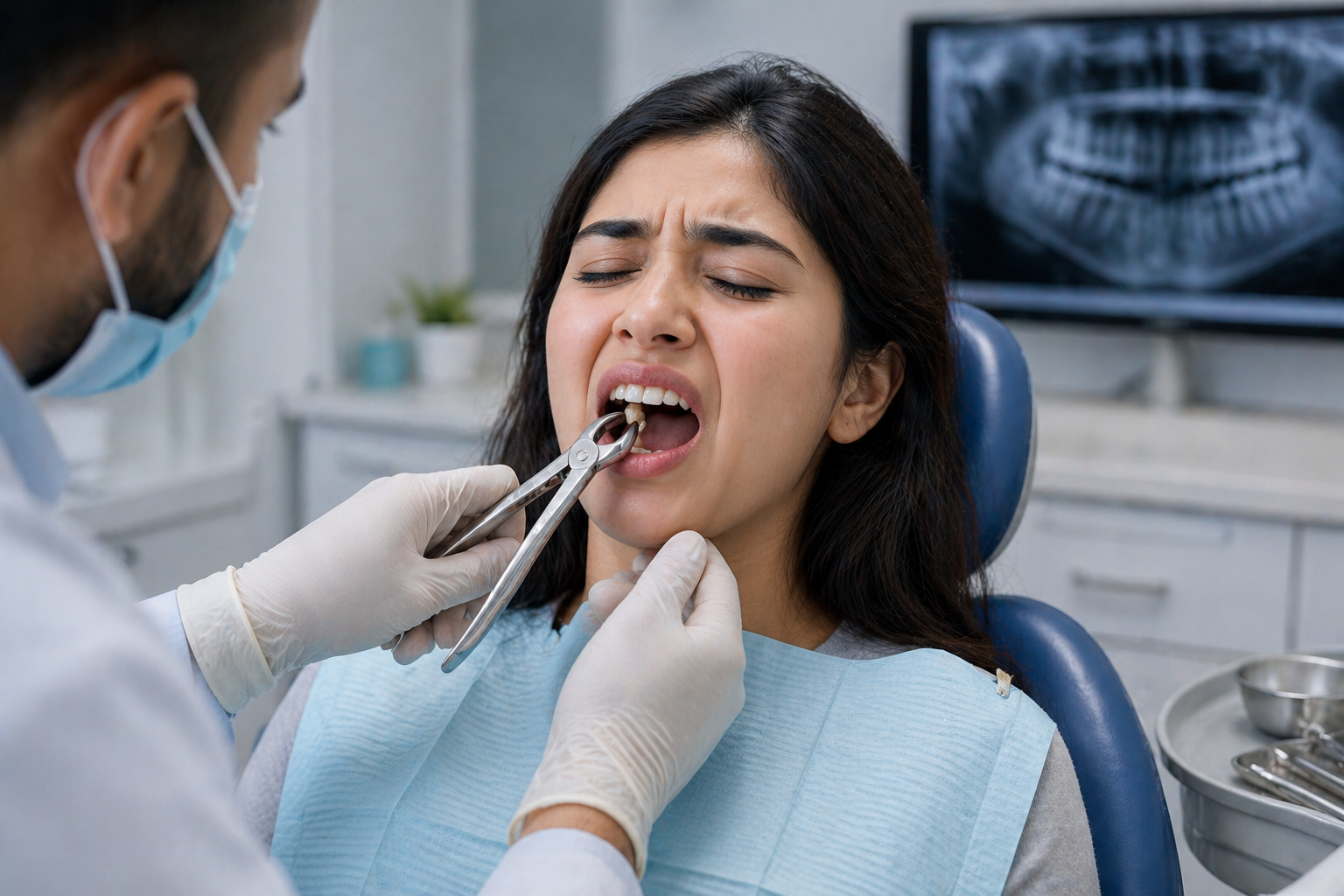
Tooth Removal
Safe removal of a severely damaged, infected, loose, fractured, overcrowded, or unsavable tooth.